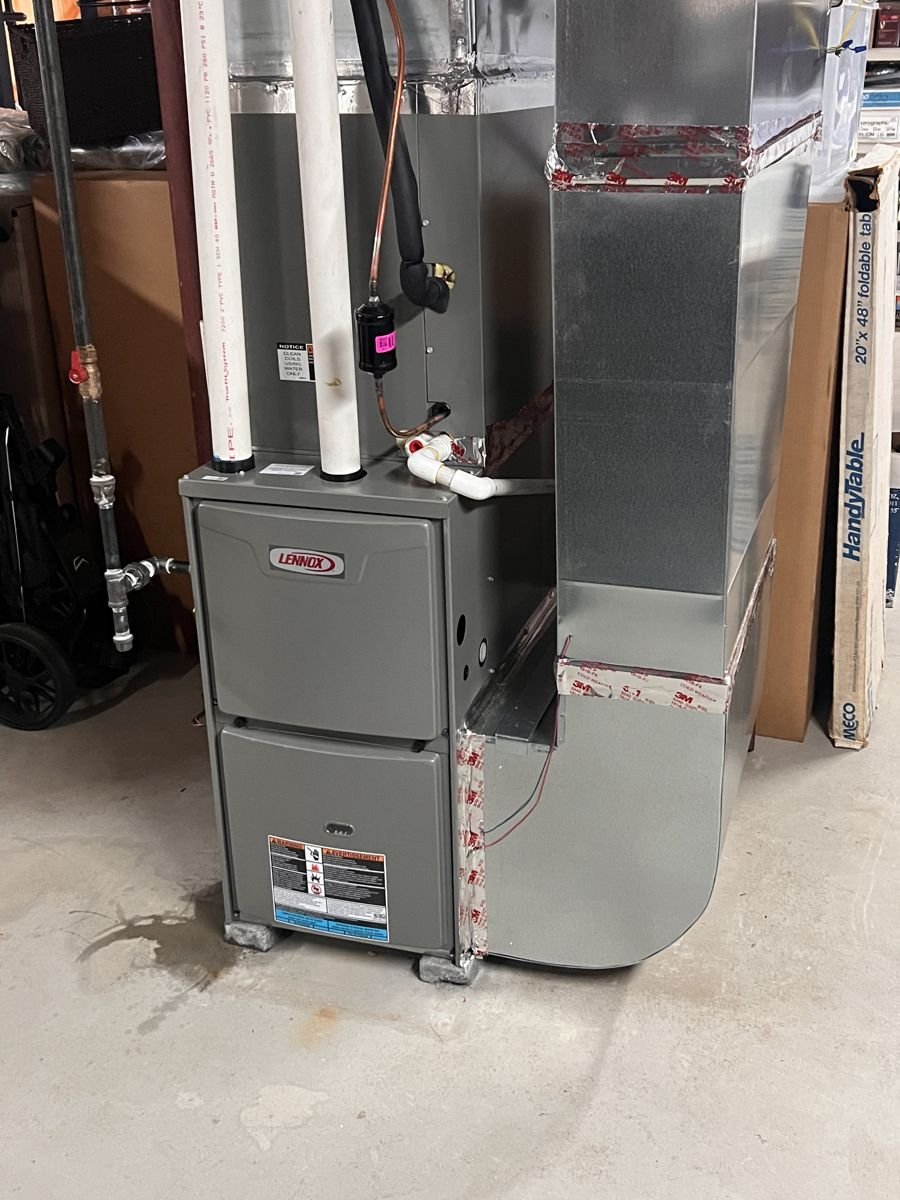
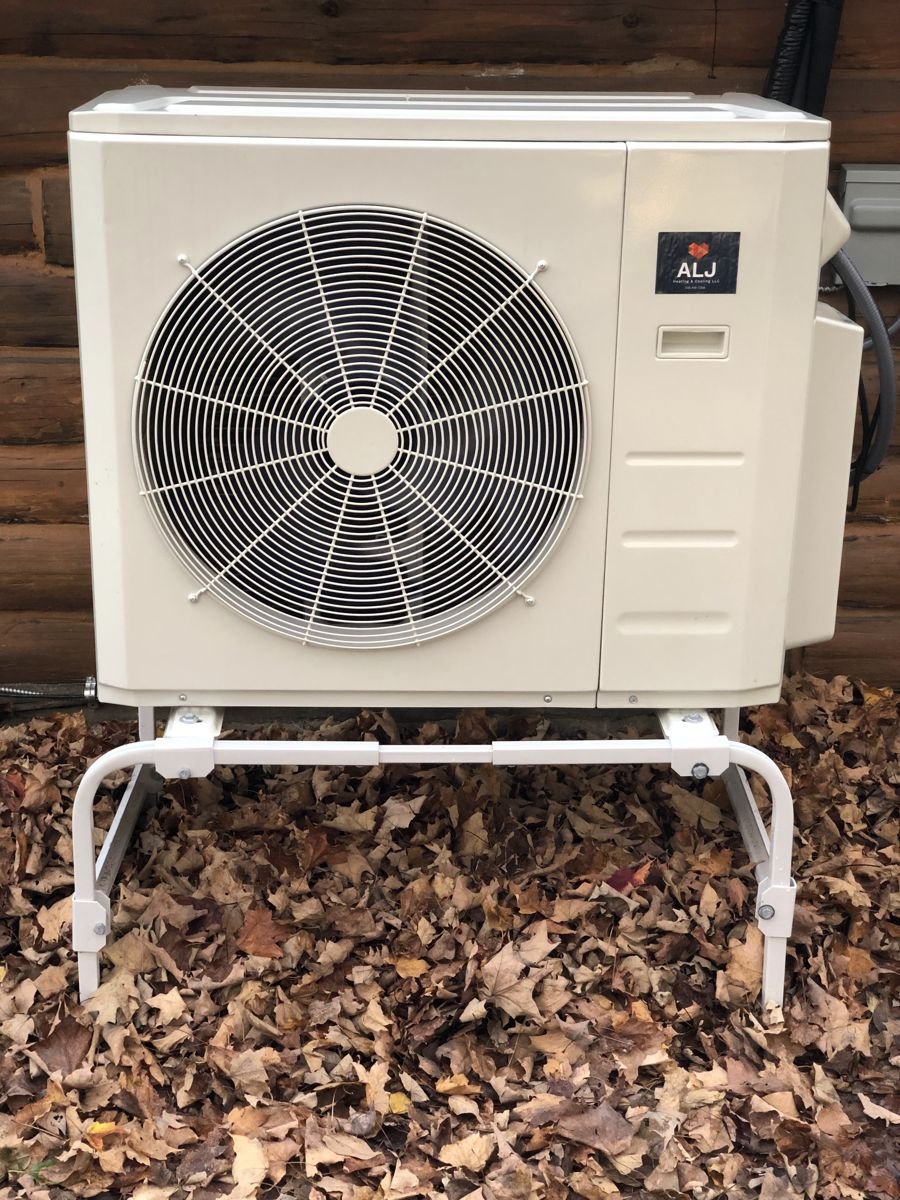
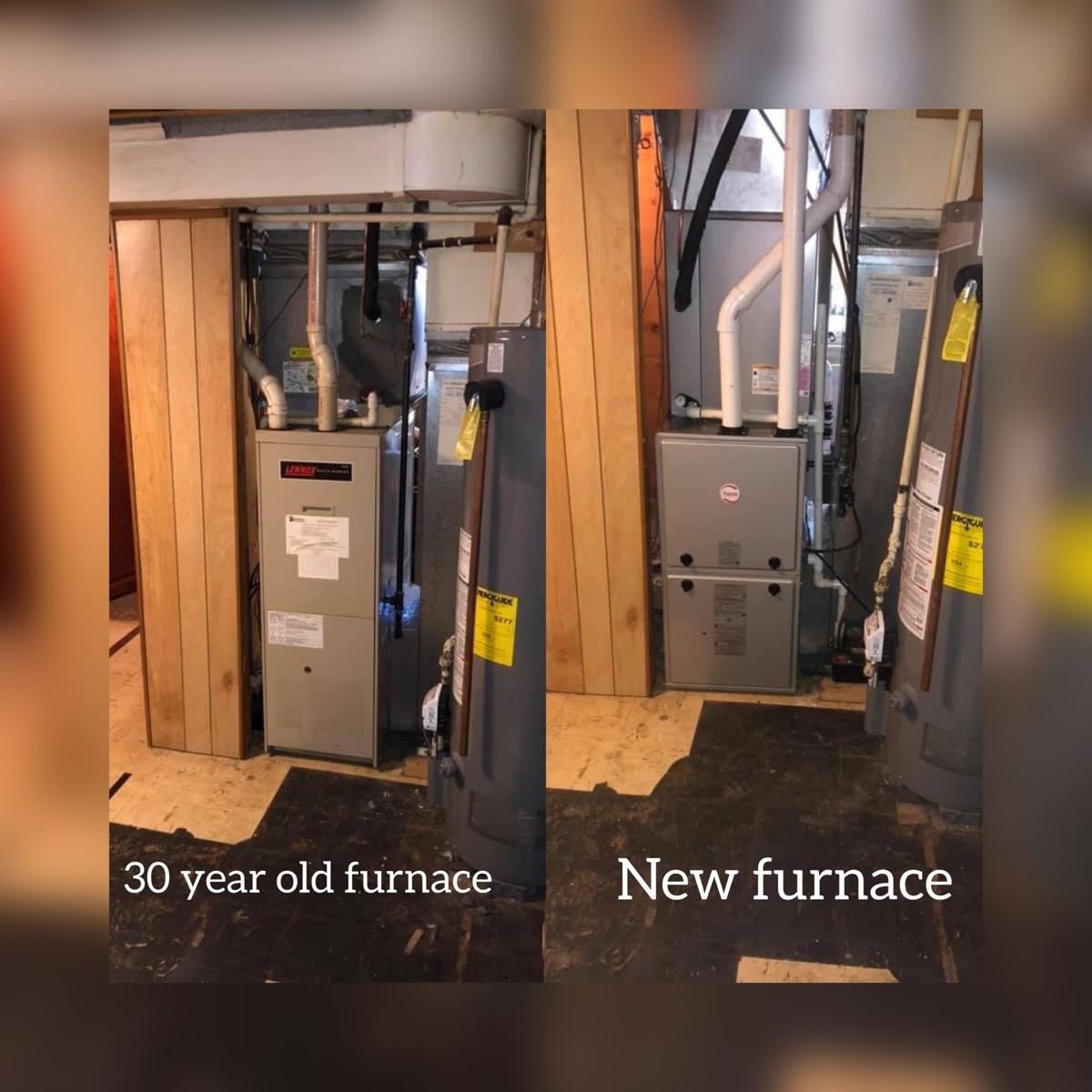
Keep your heat at 55°F or higher, even when you are away. Insulate pipes in unheated spaces, seal drafts near plumbing, open sink cabinets on outside walls, and let those faucets drip on single-digit nights. Most frozen pipes in Capital Region homes start the same way: the heating system quits overnight. A working furnace or boiler is your best protection.
Why do pipes freeze and burst?
Water expands by about 9% when it turns to ice. When a section of pipe freezes solid, the ice itself rarely splits the pipe. Instead it traps water between the ice plug and a closed faucet, and the pressure in that trapped section climbs until the weakest point gives way. That is why a burst is often found away from where the pipe actually froze, and why the damage usually shows up when things thaw and water starts flowing again.
Unprotected pipes are at risk once outdoor temperatures sit around 20°F or below for several hours. In the Capital Region, average January lows are in the low teens, and most winters bring at least a few stretches of single digits or below zero. If you live in Albany, Troy, Schenectady, Clifton Park or anywhere nearby, you will see freezing conditions every year. The question is whether your pipes are in the cold.
Where do pipes freeze in Capital Region homes?
We work in homes from century-old Troy rowhouses to 2010s builds in Malta and Clifton Park, and the trouble spots repeat. Check these first:
| Trouble spot | Common in | Why it freezes | Fix |
|---|---|---|---|
| Kitchen or bathroom sink on an outside wall | Most homes | Cabinet doors block heat from reaching the pipes | Open cabinet doors on cold nights |
| Plumbing along the basement sill and rim joist | Older homes in Albany, Troy and Schenectady | Little or no insulation where the foundation meets the house frame | Seal gaps with spray foam, insulate the pipe |
| Crawlspaces and unheated additions | Additions and sunrooms | No heat source, wind gets in through vents | Close vents for winter, foam sleeves or heat cable |
| Garage walls and lines to a garage sink | Newer suburbs (Clifton Park, Malta, Colonie) | Garage drops close to outdoor temperature | Keep the garage door shut, insulate the line |
| Outdoor spigots (hose bibs) | Every home | A hose left connected traps water in the faucet | Disconnect hoses, shut the inside valve and drain |
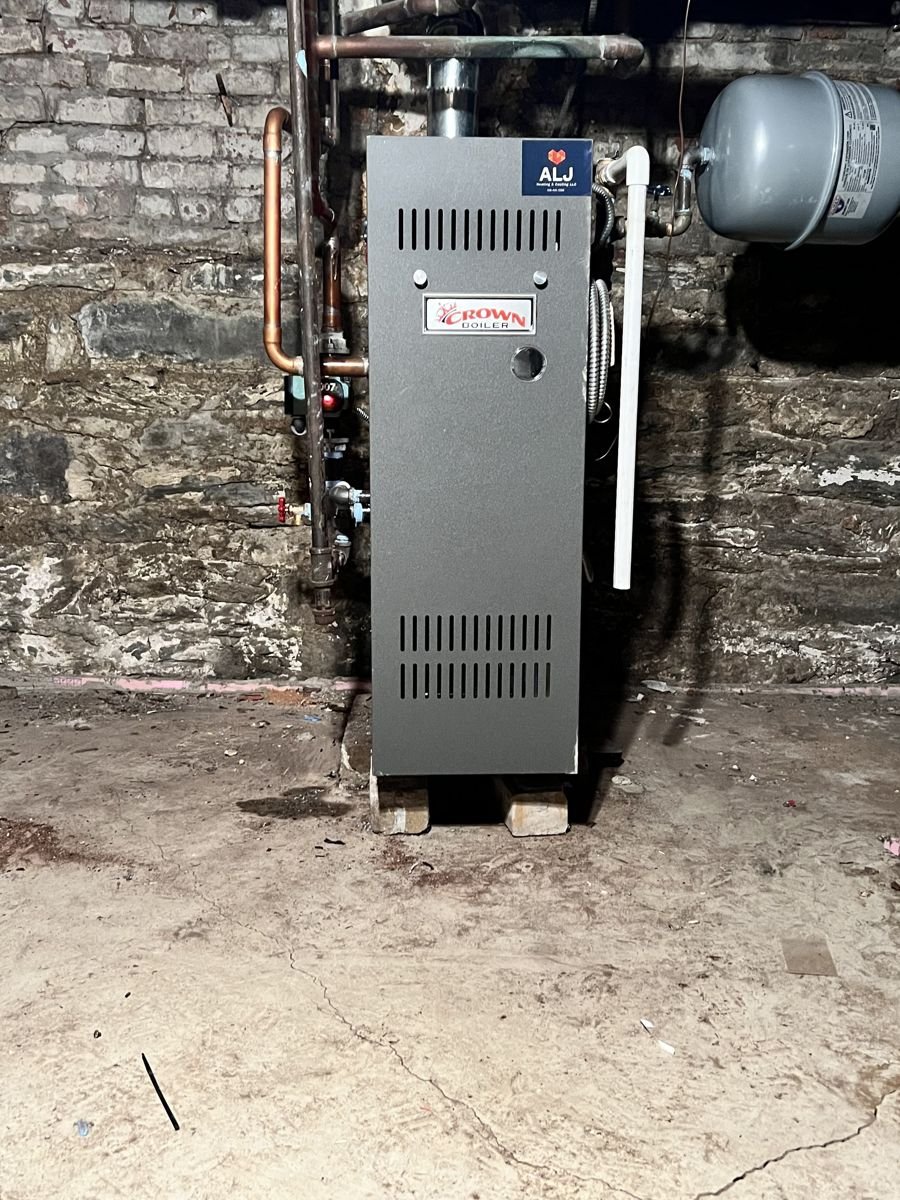
| Hot-water baseboard heating loops | Homes with boilers | If the boiler stops, the heating pipes on outside walls freeze too | Keep the boiler serviced; never shut it off in winter |
That last one surprises a lot of people. If your home is heated by a boiler and baseboard radiators, the heating system is itself a set of water pipes running along your coldest walls. A boiler that fails on a frigid night can freeze and crack its own loop, which turns a no-heat call into a much bigger repair.
The 10-step checklist to keep pipes from freezing
- Keep the thermostat at 55°F or higher, day and night, including when you travel. The air inside walls and cabinets is colder than your living room.
- Insulate exposed pipes in the basement, crawlspace, garage and attic with foam pipe sleeves. They cost a few dollars per length at any hardware store.
- Seal drafts around the rim joist, dryer vent, and where pipes and cables pass through outside walls. A small draft aimed at a pipe can freeze it even in a warm basement.
- Open sink cabinet doors on outside walls during cold snaps so room heat reaches the pipes.
- Let faucets on outside walls drip when the forecast drops into the single digits. Moving water is much harder to freeze, and an open faucet relieves pressure if ice does form.
- Disconnect garden hoses and drain outdoor spigots. If you have an inside shut-off valve for the spigot, close it and open the outdoor faucet to empty the line.
- Keep the garage door closed if any water lines run through the garage.
- Know where your main water shut-off is, and make sure it turns. If a pipe bursts, every minute counts.
- Add heat cable (thermostatically controlled) to pipes that freeze every year. Follow the manufacturer's instructions exactly.
- Get your heating system checked before deep winter. A furnace tune-up catches the weak igniter, failing inducer motor or dirty flame sensor that would otherwise quit on the coldest night of the year.
Your heating system is your pipe protection
Most frozen-pipe calls we see did not start with a plumbing problem. They started with a furnace or boiler that stopped running overnight, and by morning the house had dropped into the 40s and the pipes on the outside walls had frozen. Protecting your pipes and keeping your heat running are the same job.
Watch for these warning signs and get them fixed before a cold snap, not during one:
- The furnace starts, runs for a minute or two, then shuts off (often a dirty flame sensor or a clogged filter)
- Clicking or repeated ignition attempts before the burners light
- Some rooms are noticeably colder than others, especially on outside walls
- A boiler that is losing pressure, making banging or gurgling noises, or needs frequent resets
- A system that is 15 to 20 years old and has needed several repairs
If you notice any of these, schedule furnace repair in Albany or HVAC repair now. If the system is near the end of its life, it is far easier to plan a replacement in November than in the middle of a January cold snap. Our guide to changing your furnace filter also covers the simplest fix for short cycling.
"Anthony and his crew got us back up and running in no time after our furnace went down. Excellent customer service!"
Hector H., Google review
Leaving home for the holidays? Do this first
- Leave the heat on, set no lower than 55°F
- Shut off the main water valve and open a faucet on the lowest floor to drain pressure from the lines (leave the heat on, and do not shut off water to a boiler without asking us first)
- Ask a neighbor to check the house every day or two during a cold snap
- Use a smart thermostat or a low-cost Wi-Fi temperature sensor that texts you if the house gets cold
- Make sure your furnace filter is fresh, because a clogged filter can shut a furnace off while nobody is home
What to do if a pipe freezes
- Open the faucet the frozen pipe feeds, so water can flow once it starts to melt.
- Warm the pipe gently, starting near the faucet and working back, with a hair dryer, a space heater kept a safe distance away, or warm towels.
- Never use an open flame, torch or propane heater on a pipe. It is a fire hazard and can damage the pipe.
- If the pipe has burst, shut the main water valve immediately and call a licensed plumber.
- If the pipes froze because your heat went out, call us. Restoring heat is what stops the next pipe from freezing.
For a no-heat situation at any hour, our 24/7 emergency heating repair team is available day and night, every day of the year.
Frequently asked questions
At what temperature do pipes freeze in a house?
Water freezes at 32°F, but pipes inside a home are usually at risk when it stays around 20°F or colder outside for several hours. Pipes on outside walls, in crawlspaces, garages and unheated additions are the first to go.
What should I set my thermostat to so my pipes don't freeze?
Keep it at 55°F or higher at all times, including overnight and while you travel. The air inside walls and closed cabinets is colder than the room, so going lower than 55°F leaves little safety margin.
Should I let my faucets drip every night in winter?
Only during the coldest stretches, usually when the forecast drops into the single digits. Drip the faucets on outside walls, both hot and cold. Moving water resists freezing and an open faucet relieves pressure if ice forms.
Can the pipes on a boiler or baseboard heating system freeze?
Yes. A hot-water baseboard system is a loop of water pipes along your outside walls. If the boiler stops running on a cold night, that loop can freeze and crack. Keeping the boiler serviced and running all winter is the best protection.
What should I do if my heat goes out on a freezing night?
Check that the thermostat is set to heat, the furnace switch and breaker are on, and the filter is not clogged. If the heat still will not come on, call ALJ at 518-416-3356. We answer 24/7, and restoring heat quickly is what keeps the pipes from freezing.
How long does it take for pipes to freeze without heat?
It depends on how cold it is and how well the house is insulated. In a typical Capital Region home at below-zero temperatures, the coldest pipes can freeze within several hours of the heat going out, so treat a winter no-heat situation as urgent.

Written by the ALJ Heating & Cooling team
Licensed and insured HVAC technicians serving Albany, Latham, Troy, Schenectady, Clifton Park and the Capital Region. BBB Accredited, SBE and MBE certified, and rated 4.9 stars across 198+ Google reviews. This guide is based on what our technicians see on service calls in Capital Region homes.
Last updated November 9, 2026