Yes. A cold-climate heat pump keeps heating well into single digits and below zero, which is exactly what a Capital Region winter demands. Older heat pumps struggled in the cold; today's cold-climate models are built and certified for it. Many homeowners pair one with their existing furnace or boiler as backup for the coldest nights, and New York's Clean Heat program offers rebates on qualifying equipment.
How does a heat pump heat a house when it's freezing outside?
A heat pump does not burn fuel. It moves heat. Even at 5°F, outdoor air still contains heat energy, and the heat pump's refrigerant circuit pulls that heat in, concentrates it with the compressor, and releases it inside. Because it moves heat rather than making it, a heat pump can deliver more heat energy than the electricity it uses, which is where the efficiency comes from.
The catch has always been that the colder it gets, the harder the heat pump works and the less heat it can deliver. That is where "cold-climate" matters.
What makes a heat pump "cold-climate"?
A cold-climate heat pump uses a variable-speed (inverter) compressor and refrigerant circuits designed to keep producing heat at low outdoor temperatures. Many current models are rated to keep heating well below 0°F. To qualify for New York's Clean Heat incentives, air-source equipment generally needs to be on the NEEP Cold Climate Air Source Heat Pump list, which is a useful shortcut when you compare models.
| Older standard heat pump | Cold-climate heat pump | |
|---|---|---|
| Compressor | Single speed, on or off | Variable speed, ramps up and down |
| Useful heating range | Struggles below about 25 to 30°F | Designed to keep heating into single digits and below zero |
| Comfort | Cooler air, frequent cycling | Steady, even heat |
| Fit for Capital Region winters | Needs heavy backup heat | Can carry most or all of the season |
Installation details that matter in a Capital Region winter
Most of what separates a heat pump that works in January from one that disappoints is installation, not the brand on the box:
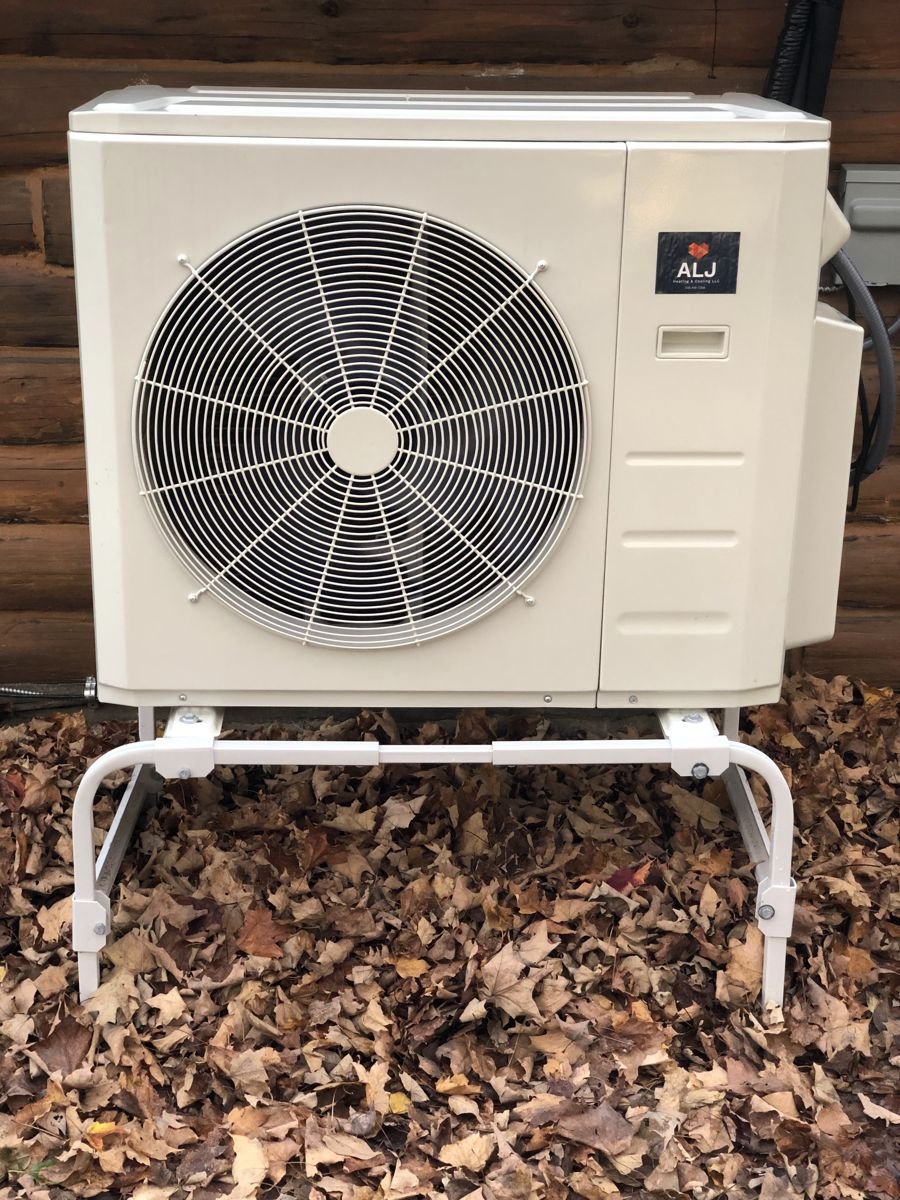
- Raise the outdoor unit on a stand or wall bracket above the typical snow line, so it can breathe and its defrost water can drain instead of freezing into a block of ice underneath.
- Keep it out from under the roof drip line, where falling ice and meltwater can freeze on the coil.
- Size it to your home's actual heat loss at our coldest design temperatures, not by square footage alone. An undersized unit runs flat out on cold nights; an oversized one short-cycles.
- Plan the backup. Decide in advance how the furnace, boiler or electric backup takes over on the coldest nights.
Ductless or ducted: which fits your home?
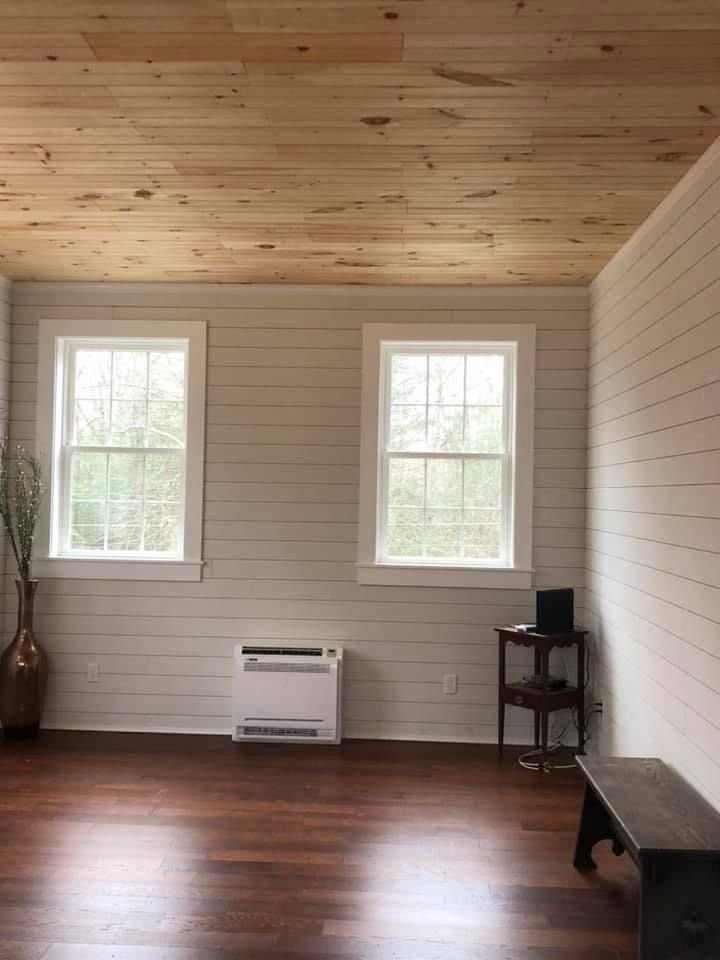
Many Capital Region homes, especially older houses in Albany, Troy and Schenectady heated by boilers and radiators, have no ductwork at all. That is where ductless mini-split heat pumps shine: a compact indoor unit on a wall or floor, connected to the outdoor unit by a small line set, with no ducts to install.
| Your home | Usually the best fit |
|---|---|
| Forced-air furnace with existing ducts | Ducted heat pump, often paired with the furnace (dual fuel) |
| Boiler and radiators, no ducts | Ductless mini-splits, keeping the boiler as backup heat |
| A cold addition, sunroom, attic room or garage apartment | A single-zone ductless unit |
| Whole house with no existing heating you want to keep | Multi-zone ductless or a ducted system, sized for the full heat load |
Should you keep your furnace or boiler as backup?
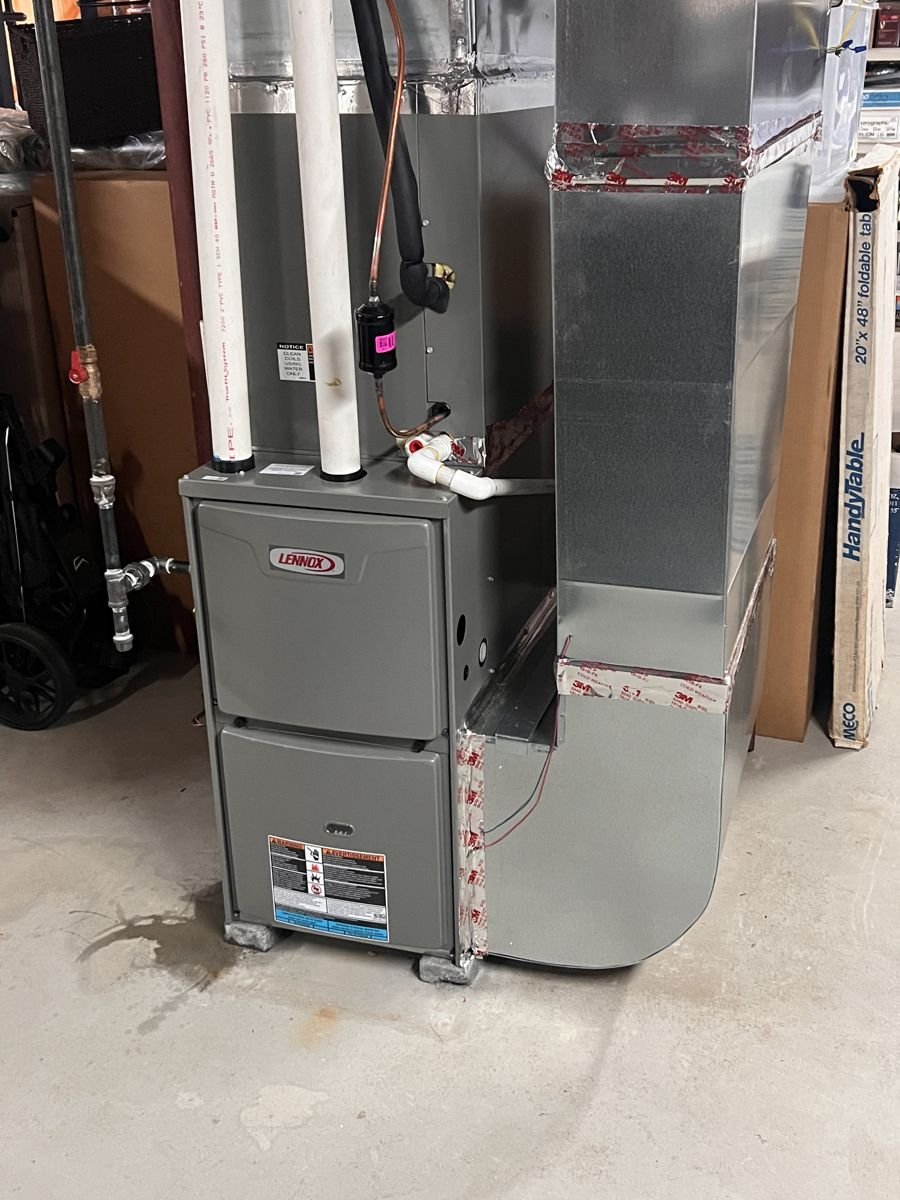
For many homes, yes. A dual-fuel setup lets the heat pump handle most of the winter efficiently while the existing gas or oil system takes over on the coldest nights. It also means you are never without heat if one system needs service. It is often the most practical first step for a home that already has a working furnace or boiler.
If your furnace is near the end of its life anyway, compare the cost of a new furnace against a heat pump system. Our furnace replacement cost guide walks through what drives the price of each.
What about NY heat pump rebates?
New York's NYS Clean Heat program offers incentives for qualifying cold-climate air-source and ground-source heat pumps, delivered through utilities including National Grid and NYSEG. A few things to know:
- Incentives are paid through participating contractors and depend on your utility, the equipment, and how much of your home's heating the system covers.
- Equipment generally needs to be on the NEEP cold-climate list.
- Rebate amounts change from year to year and published figures online often disagree, so confirm current amounts on the official NYS Clean Heat site or with your utility before you budget.
- Income-qualified households may be eligible for additional help through New York's EmPower+ program.
Ask us about financing too: our HVAC financing options can help spread the cost of a new system.
Do heat pumps need maintenance?
Yes, and it is simple. Keep snow and ice clear around the outdoor unit, clean or replace indoor filters regularly (ductless units have washable filters behind the front panel), and have the system checked once a year. A yearly furnace tune-up keeps the refrigerant charge, coils and defrost controls working the way a cold winter needs them to.
Frequently asked questions
Do heat pumps work in below-zero temperatures?
Cold-climate models do. They use variable-speed compressors designed to keep producing heat into single digits and below zero. Output does drop as it gets colder, which is why sizing to your home's heat loss and planning backup heat matter.
Is a heat pump cheaper to run than a gas furnace in New York?
It depends on your electric and fuel rates, the efficiency of both systems, and how your home is insulated. Heat pumps usually compare most favorably against oil, propane and electric baseboard heat. We can compare your options during an estimate.
Can I keep my boiler and add a heat pump?
Yes. Many homes with boilers add ductless heat pumps for efficient heating and air conditioning, and keep the boiler as backup for the coldest nights. That pairing is one of the most common heat pump setups in older Capital Region homes.
What is the NEEP cold-climate heat pump list?
It is a list of air-source heat pumps that meet cold-climate performance criteria, maintained by the Northeast Energy Efficiency Partnerships. NYS Clean Heat generally requires listed equipment for its air-source incentives.
Why does my heat pump blow steam or go quiet in winter?
That is usually the defrost cycle. In cold, humid weather frost builds on the outdoor coil, and the heat pump briefly reverses to melt it. A little steam from the outdoor unit is normal. Ice that keeps building up is not, and should be checked.
How long does a heat pump installation take?
A single-zone ductless system is often installed in a day. Multi-zone systems or ducted installations that tie into an existing furnace take longer. We give you a timeline with your estimate.

Written by the ALJ Heating & Cooling team
Licensed and insured HVAC technicians serving Albany, Latham, Troy, Schenectady, Clifton Park and the Capital Region. BBB Accredited, SBE and MBE certified, and rated 4.9 stars across 198+ Google reviews. This guide is based on what our technicians see on service calls in Capital Region homes.
Last updated November 9, 2026